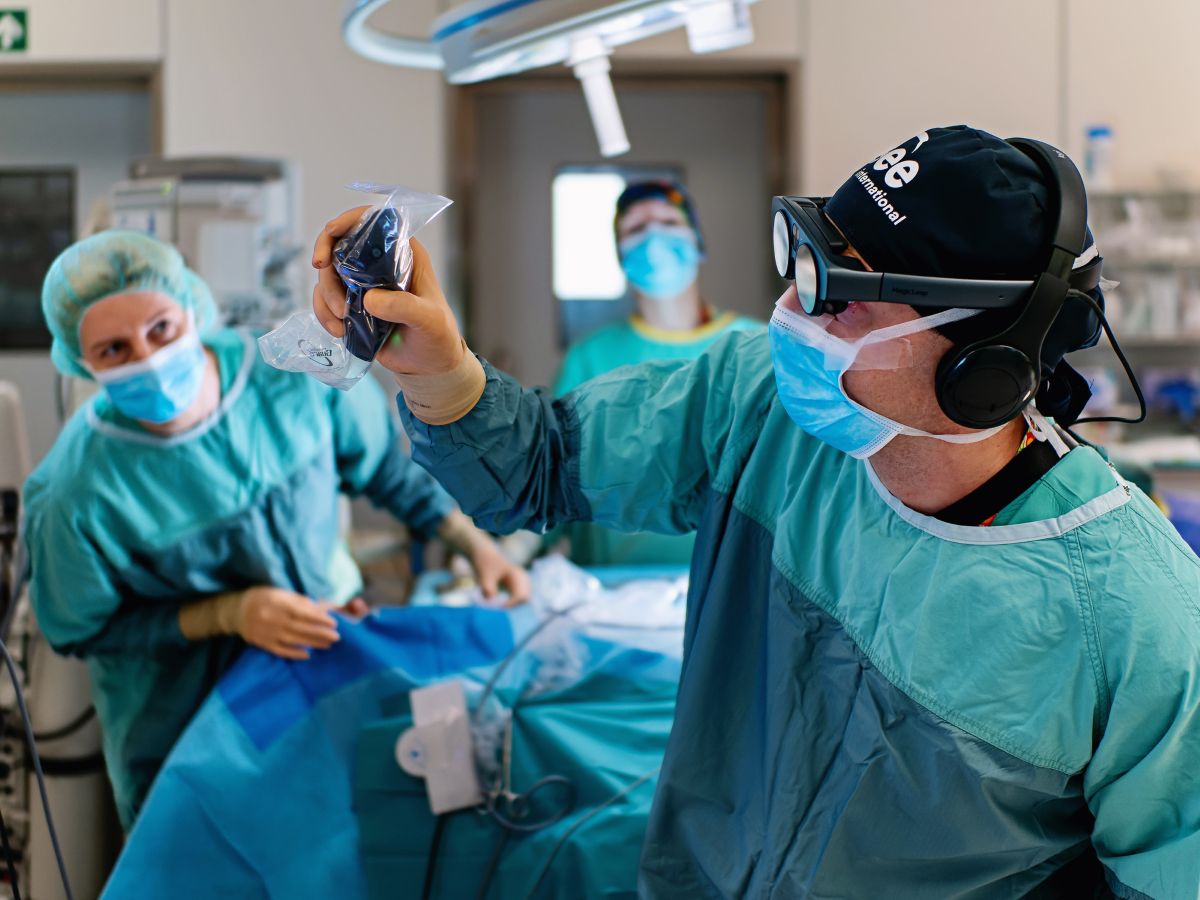
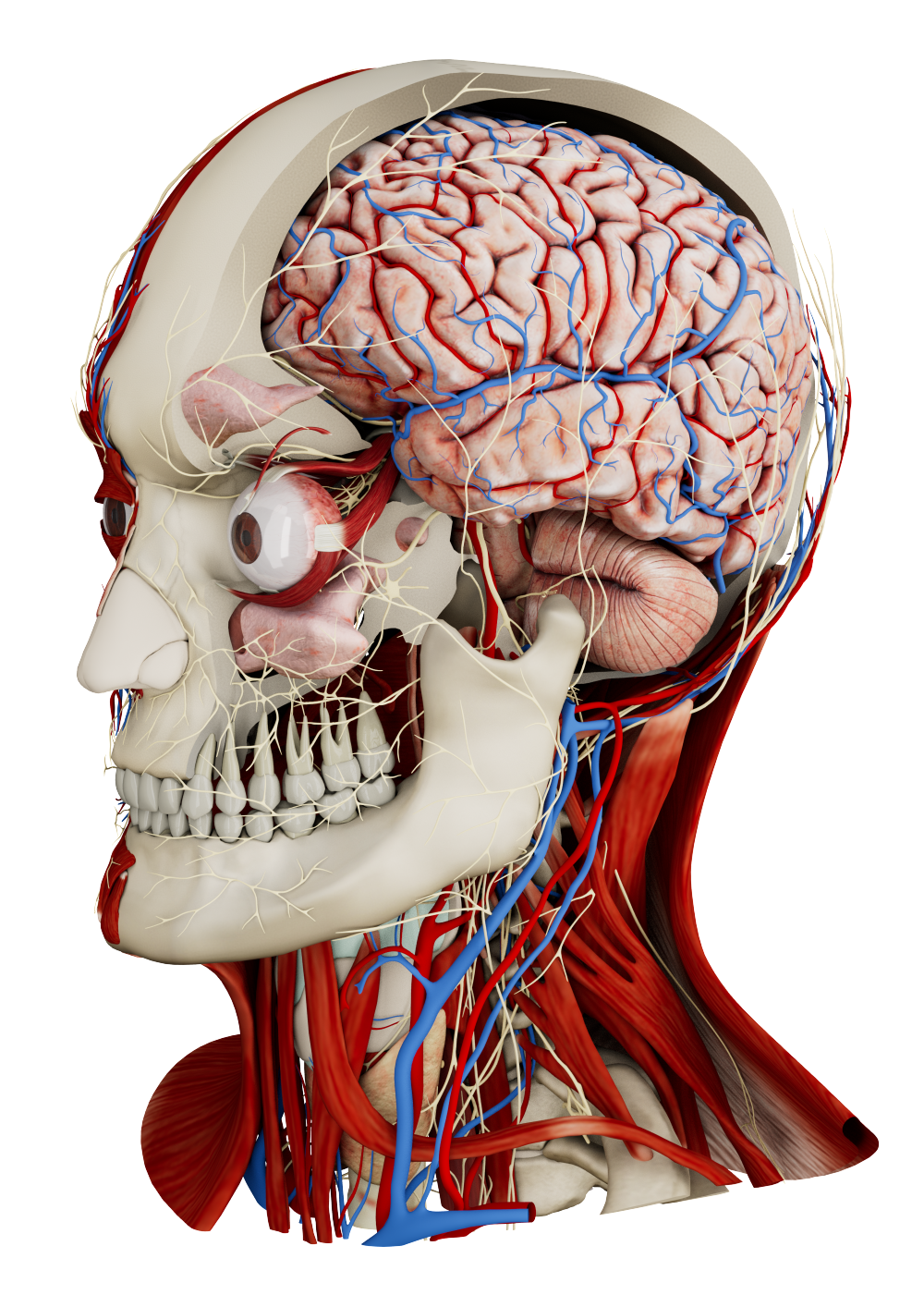
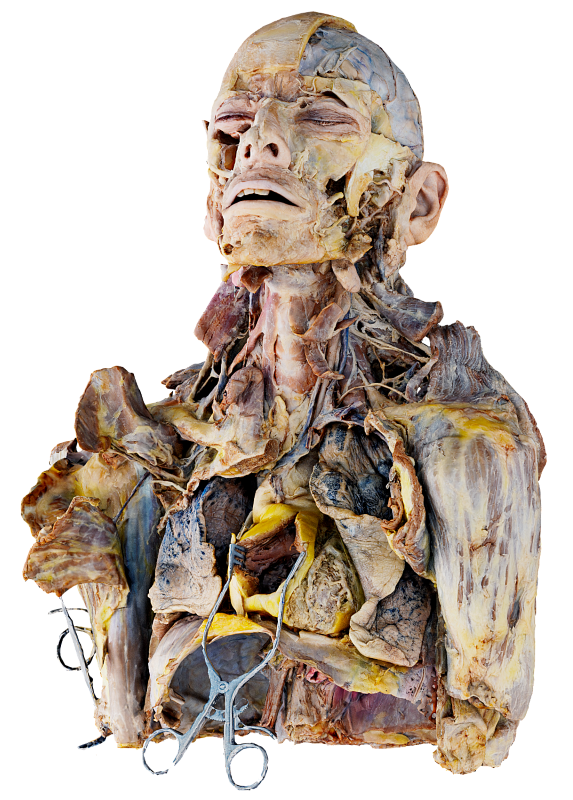
Robotic surgery leverages advanced robotic systems that translate a surgeon’s hand motions into precise, controlled movements of miniaturized instruments. This approach enables minimally invasive operations in hard-to-reach areas, significantly improving accuracy and reducing surgical trauma. Spatial imaging and virtual and augmented reality enhance this field by offering immersive training environments that allow for safe and repeated practice improving patient outcomes.
Important notice regarding surgical planning and professional clinical use
Specialized functionalities for surgical planning and pre-operative professional applications are exclusive to Medical Imaging XR PRO FDA. This version is not yet available. Information about the release date will be published here soon.
Medicalholodeck is currently undergoing the required FDA (U.S. Food and Drug Administration) and CE (Conformité Européenne) certification processes. Our team is working diligently to ensure full compliance with all regulatory standards, and we expect Medical Imaging XR PRO to be available in both the United States and the European Union soon.
For updates on product releases, regulatory progress, and availability, or for any related inquiries, please contact info@medicalholodeck.com.
Robotic surgery is a minimally invasive technique where surgeons use a console to control robotic arms equipped with surgical instruments. These systems, such as da Vinci, DEXTER, or Senhance, offer enhanced 3D visualization, tremor filtration, and increased dexterity beyond human capability. This allows surgeons to operate through small incisions with greater accuracy and control, reducing complications, recovery time, and scarring compared to traditional surgery.
VR surgical training enables repeated, risk-free practice, which is crucial for developing muscle memory and confidence in using complex robotic systems. By simulating the robotic interface and haptic feedback, VR enables training in a controlled environment. This approach supports remote access to training worldwide, minimizing costs associated with physical robots and enabling broad access to surgical education. Skills acquired in VR are transferable to operating rooms, resulting in fewer errors and higher technical proficiency during real procedures.
Robotic-assisted thoracic surgery integrates VR to enhance surgical precision and safety. A VR simulation system allows surgeons to work with patient-specific 3D models derived from CT scans, facilitating preoperative planning. The immersive environment enables the visualization of structures such as vascular and bronchial variations, which are crucial for procedures like segmentectomy. VR systems also provide real-time anatomical overlays, aiding in precise navigation and reducing the risk of complications.
For robotic-assisted partial nephrectomy, preoperative CT imaging of a complex renal mass was converted into an interactive 3D VR model. This allowed the surgeon to assess tumor depth, surrounding vasculature, and resection margins in detail, supporting a nephron-sparing strategy and leading to precise operative planning and improved patient outcomes.
The preclinically developed Robot-assisted Augmented Reality Osteotomy Navigation System utilizes AR to overlay virtual surgical plans onto the surgeon's view, assisting osteotomy and reconstruction with personalized guide-plates. By combining visual cues with robotic precision, this approach improves accuracy in osteotomy length, angle, and volume, as well as mandibular reconstruction symmetry, compared to freehand methods.
In robotic-assisted neuroendoscopy, surgeons can use VR to visualize patient-specific 3D reconstructions of ventricular structures, while AR overlays critical landmarks directly onto the endoscopic view. This enables precise targeting of lesions or surgical trajectories, reduces the risk of damaging surrounding tissue, and improves planning for procedures such as tumor resection, ventriculoscopy, or deep brain stimulation.
The future of robotic surgery centers on Artificial Intelligence integration, which will provide enhanced decision support systems. AI can process real-time medical imaging from modalities such as ultrasound, MRI, or CT during surgery, offering immediate insights into tissue characteristics, surgical margins, and unexpected anatomical variations.
AI will enable robots to adapt autonomously to new conditions without prior task-specific training. While human supervision will remain essential, surgeons will be able to delegate simple tasks, such as incision closure or knot tying, to AI robotic platforms.
When combined with AR overlays, AI-powered systems can project critical anatomical information directly onto the surgeon’s field of view, enhancing intraoperative guidance and spatial awareness. Moreover, they are capable of collecting and analyzing intraoperative data, including instrument movement or applied forces, to provide personalized feedback for continuous surgical improvement.
Robotic surgery enables minimally invasive procedures with enhanced dexterity and visualization across multiple specialties. Combining advanced robotics with immersive training environments ensures safer, more efficient skill acquisition while AI integration promises smarter, adaptive assistance during surgery. Together, these technologies offer promising tools to reduce complications, shorten recovery times, and elevate the overall quality of surgical care.
Medicalholodeck integrates with secure hospital systems, providing PACS access, HIPAA-compliant data handling, and full patient data security. It runs on stereoscopic 3D displays, VR headsets, mobile devices, and standard Windows systems, enabling flexible use in hospitals, classrooms, and training centers.
Specialized features for surgical planning are exclusive to Medical Imaging XR PRO. Currently, Medicalholodeck is available only for educational use. The platform is undergoing FDA and CE certification, and we expect Medical Imaging XR PRO to be available soon in the U.S. and EU markets.
For updates, regulatory news, availability, or questions contact info@medicalholodeck.com.